


PLEASE KEEP A COPY OF THIS PARTICIPANT INFORMATION SHEET FOR YOUR RECORDS
You are invited to take part in the BLEEDS research study. Taking part is entirely your choice. This sheet explains the purpose and what’s involved. Feel free to ask questions or discuss it with others. A member of our team can also go through this with you, which takes about 15–20 minutes.
Summary
This study aims to better understand menstruation and how we can treat people with heavy periods.
If you choose to take part, you will be asked to donate some of your period blood and a vaginal swab. You will be given clear instructions and a collection kit to help you do this safely and comfortably at home.
Your samples will be analysed in the lab, including studying which genes are active and the types of cells present. Some cells may be used to grow small lab-grown models of human tissue. These help researchers understand how tissues work and how diseases develop. All samples and data will be pseudonymised* so you cannot be personally identified.
This research will help scientists and doctors better understand menstrual health and heavy periods, and could contribute to developing improved treatments in the future.
*Pseudonymised means that your name is replaced with an ID code, and the key linking the code back to your name is kept securely by the consenting team and never shared with Sanger researchers.
What is the purpose of the study?
To better understand the biology of periods and how to treat people with heavy periods. We want to study which genes, cells, and microbes (naturally occurring bacteria and other tiny organisms that live in and on the body) are active in the uterus and whether they differ in people with heavy periods.
Why have I been invited to take part?
You are invited to participate in this study because you have been having issues with your period or have volunteered to participate.
Who is responsible for this study?
This study is the responsibility of Roser Vento-Tormo and is sponsored by the Wellcome Sanger Institute (“The Sanger”). The study will also involve collaborators at other clinical and research institutions.
Do I have to take part?
No, participation is entirely voluntary, and you do not have to take part. You will be given this information sheet to keep, and if you choose to take part, you will be asked to sign a consent form. You are free to withdraw at any time, without giving a reason, and doing so will not affect your care or your legal rights.
What will happen if I decide to take part?
If you decide to take part in the study, you will be asked to sign the consent form to confirm your agreement to participate. You will be given a copy of the signed consent form to keep. If you consent online, you will be able to save a copy for your own records. To take part, you will need to agree to donate period blood and a vaginal swab. If you do not wish to donate either, you will not be able to take part in this study.
What will I need to do?
1. Track the volume of period blood you lose during one period
We are interested in knowing how much you bleed during one period. If you consent to take part and donate period blood, you will be given a study kit. This kit will contain a smart menstrual cup, a traditional menstrual cup and instructions to enable you to collect, measure and record the amount of period blood you lose during one period. You are welcome to continue using the smart menstrual cup after the study, if you wish.
2. Collect and return your period blood and a vaginal swab
While you are wearing the menstrual cup during your period and tracking your volume, you will also need to collect the blood from the cup one time in the first three days of your period and collect a vaginal swab. Your period blood and vaginal swab samples should be returned together on the same day you collect them.
The study kit also contains a health questionnaire and a form to record the volume of period blood collected each day during your period. The health questionnaire can be returned with your samples or completed online. The volume tracking form should be returned separately at the end of your period, either by post or online.
How will my samples be used?
When we receive your period blood and vaginal swab, we will use these in the lab to understand the biology of periods. We will study the genes active in cells (transcriptome sequencing) from your period blood and other tissue samples. This will allow us to find out what types of cells are active during your period. We will also read your DNA (genome sequencing) to understand the connection between the DNA sequence and which genes are active during your period. This sequencing process will also give us information on the microbiome that is present in your womb and vagina during your period.
We may also use some of the cells from your period blood to grow organoids in the lab. These are small models of the endometrium (the inner lining of the womb) which we can use to study the biology of the endometrium and the menstrual cycle.
Can I access my own DNA data?
This will not be possible. No one (including you, your relatives, or your doctors) will be able to ask the researchers specific questions about the DNA of anyone involved in this study.
What happens if I do not want to take part or if I change my mind?
There is no obligation to take part in the study, and you are free to withdraw at any time, without giving a reason. This would not affect the standard of care you receive. If you withdraw from the study, we will destroy all your identifiable samples, delete any data sent from the smart menstrual cup and not receive any additional data. However, once the data has been deposited, it will not be possible to remove it from the public databases.
What are the possible benefits of taking part?
The information we will get from the study will be used to understand which cells constitute period blood and whether this can be connected to heavy periods. Your samples might help develop new treatments for heavy periods.
Are there any potential risks involved?
Using a menstrual cup, including a smart menstrual cup, usually comes without any risk. However, in very rare cases, similar to using tampons, Toxic Shock Syndrome can occur (TSS) (https://www.nhs.uk/conditions/toxic-shock-syndrome/). TSS symptoms include a high temperature, muscle aches, a raised skin rash that feels like sandpaper and flu-like symptoms. If you experience any of these symptoms while using the menstrual cup, remove the cup immediately and contact your medical provider or 111.
If you are unfamiliar with menstrual cups, using one for the first time might cause some discomfort until you find a good way of placing and removing it correctly. Each menstrual cup comes with a leaflet that contains information on how to use it.
Who has approved this study?
This research has been reviewed by an independent group of people, called an Ethics Committee. This study was reviewed and given a favourable ethical opinion by the London-Stanmore Research Ethics Committee REC REF: 25/LO/0357
Confidentiality and use of your data
How will we use information about you?
We will need to use information from you for this research project. This information will include your name, contact details, related health information and initials. People will use this information to do the research or to check your records to make sure that the research is being done properly.
People who do not need to know who you are will not be able to see your name or contact details. Your data will have a code number instead.
The Wellcome Sanger Institute is responsible for looking after your information. We will share your information related to this research project with the following types of organisations:
- Qualified researchers from institutions around the world and the scientific community
- The raw genetic information that is produced by analysing your genes may also be deposited and stored indefinitely in the European Genome-Phenome Archive, a secure electronic data archive.
We will keep all information about you safe and secure by:
- Identifying information (e.g., your name, contact details) will not be shared with researchers at Sanger, instead all information collected about you and the genetic data generated from your samples will have a unique numeric identifier.
- The results of this study will be published in scientific journals and/or presented at scientific meetings and will not contain any information that reveals your identity.
- The genetic information will be stored in the European Genome-Phenome Archive and may only be accessed via applications from appropriately qualified researchers who sign a legally-binding Data Access Agreement in which they commit to:
- use the data only for research purposes;
- protect the data confidentiality;
- provide appropriate data security;
- not attempt to identify individual participants from whom data were obtained;
- not redistribute the data or any subset or derivative that could be used to identify the research participant.
International Transfers
We may share or provide access to data about you outside the UK for research related purposes to:
- Share data with the wider research community in line with Sanger’s Data Sharing Policy (https://www.sanger.ac.uk/about/research-policies/open-access-science/ )
If this happens, we will only share the data that is needed. We will also make sure you can’t be identified from the data that is shared where possible. This may not be possible under certain circumstances – for instance, if you have a rare illness, it may still be possible to identify you. If your data is shared outside the UK, it will be with the following sorts of organisations:
- Research institutes and academic institutions
We will make sure your data is protected. Anyone who accesses your data outside the UK must do what we tell them so that your data has a similar level of protection as it does under UK law. We will make sure your data is safe outside the UK by doing the following:
- We do not allow those who access your data outside the UK to use it for anything other than what our written contract with them says.
How will we use information about you after the study ends?
Once we have finished the study, we will keep some of the data so we can check the results. We will write our reports in a way that no one can work out that you took part in the study.
We will keep your study data for the minimum period of time required to analyse the results. The study data will then be fully anonymised and securely archived or destroyed.
What are your choices about how your information is used?
- You can stop being part of the study at any time, without giving a reason, but we will keep information about you that we already have
- You have the right to ask us to access, remove, change or delete data we hold about you for the purposes of the study. You can also object to our processing of your data. We might not always be able to do this if it means we cannot use your data to do the research. If so, we will tell you why we cannot do this.
- If you agree to take part in this study, you will have the option to take part in future research using your data saved from this study.
Where can you find out more about how your information is used?
You can find out more about how we use your information, including the specific mechanism used by us when transferring your personal data out of the UK:
- Our leaflet available from www.hra.nhs.uk/patientdataandresearch
- By asking one of the research team
- By sending an email to: researchgovernance@sanger.ac.uk
- By contacting our data protection officer: dataprotection@sanger.ac.uk
- If you are not satisfied with our response or believe we are processing your personal data in a way that is not lawful, you can complain to the Information Commissioner’s Office (ICO) (https://ico.org.uk/).
- If you would like more information about how we will use your data as part of the study, please see our Private Notice for Research Participants, Collaborators and Contributors at https://www.sanger.ac.uk/privacynotices/genome-research-limited-privacy-notice/
What if I have a question or something goes wrong?
If you are unsure about something, you can contact the research team for further advice using the contact details at the bottom of this information sheet.
However, if your query has not been handled to your satisfaction, or if you are unhappy and wish to make a formal complaint to someone independent of the research team, then please contact:
In writing
Data Protection Team
Wellcome Genome Campus,
Hinxton,
Saffron Walden
CB10 1RQ
By telephone
+44 (0) 1223 834244 Ext. 4968
By email
dataprotection@sanger.ac.uk
The Sanger Institute has the relevant insurance policies in place for this study. If you wish to complain or have any concerns about any aspect of the way you have been treated during the course of this study, then you should follow the instructions given above.
Who should I contact for further information?
If you have any questions or require more information about this study, please contact us using the following contact details:
Chief Investigator: Roser Vento Tormo (rv4@sanger.ac.uk)
Principal Investigator: Iva Kelava (ik9@sanger.ac.uk)
Wellcome Sanger Institute consent team: bleeds-consent@sanger.ac.uk
Feedback
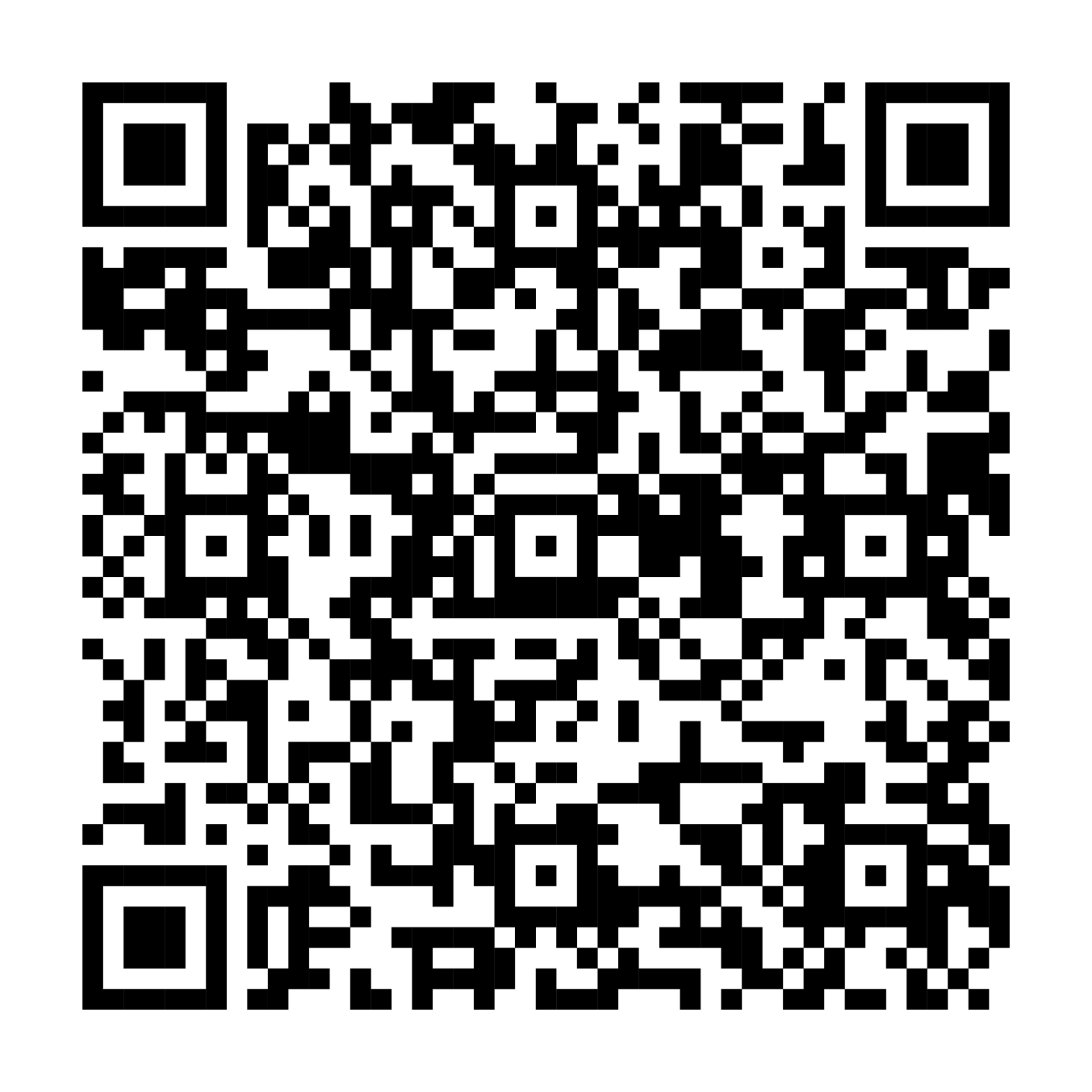
If you would like to provide any feedback on the study, please visit https://forms.gle/JdHbT8BiZd2JpL1z6
or scan the QR code.
Thank you for reading this information sheet and for considering taking part in this research.
IRAS: 356429 | Menstrual fluid PIS | Date: 21/10/2026 | V1.2